Explore
Easy Neuroscience articles
Behavioral Neuroscience
Behavioral neuroscience explains how the brain drives thoughts, emotions, and actions. In coaching, we use tools like MBSR and Neuroplasticity Training to enable focus, unlock change and deliver emotional wellbeing.
What is neuroscience
From Principle of Neural Science – Canell 6h Edition, gold standard in neuroscience education)
The biology of behavior
Behavioral and Affective Neuroscience
Behavioral neuroscience is an interdisciplinary field that studies the biological and neural mechanisms underlying behavior, thought, and emotion. Everything you feel and experience has a physical dimension.
Brain and behavior
Behavior is not random, and it’s not influenced just by will; it is driven by networks in the brain that regulate habits, reactions, and choices.
Behavioral neuroscience studies how these circuits work, showing us where patterns come from and how they can be reshaped, or at the very least influenced.
In coaching, this knowledge and the derived techniques help transform automatic responses into intentional, goal‑oriented actions, especially when it’s difficult to align our wish to change with our automatic behaviors and responses (eg. quitting a habit, or starting a healthier routine).
Affective neuroscience
Emotions are not random magic, as well. Emotions and feelings have biological roots in systems designed for survival, reward, and social bonding. Affective neuroscience reveals how fear, motivation, and attachment are wired in the brain.
Understanding these processes is important, because we tend to supercharge emotions and feelings with mystical powers, while they are also regulated by brain circuitry and its plasticity.
Thanks to the study of these mechanisms, we gain tools to regulate or re-enable emoton, reduce stress, and channel feelings into strength, resilience, and authentic self‑expression.
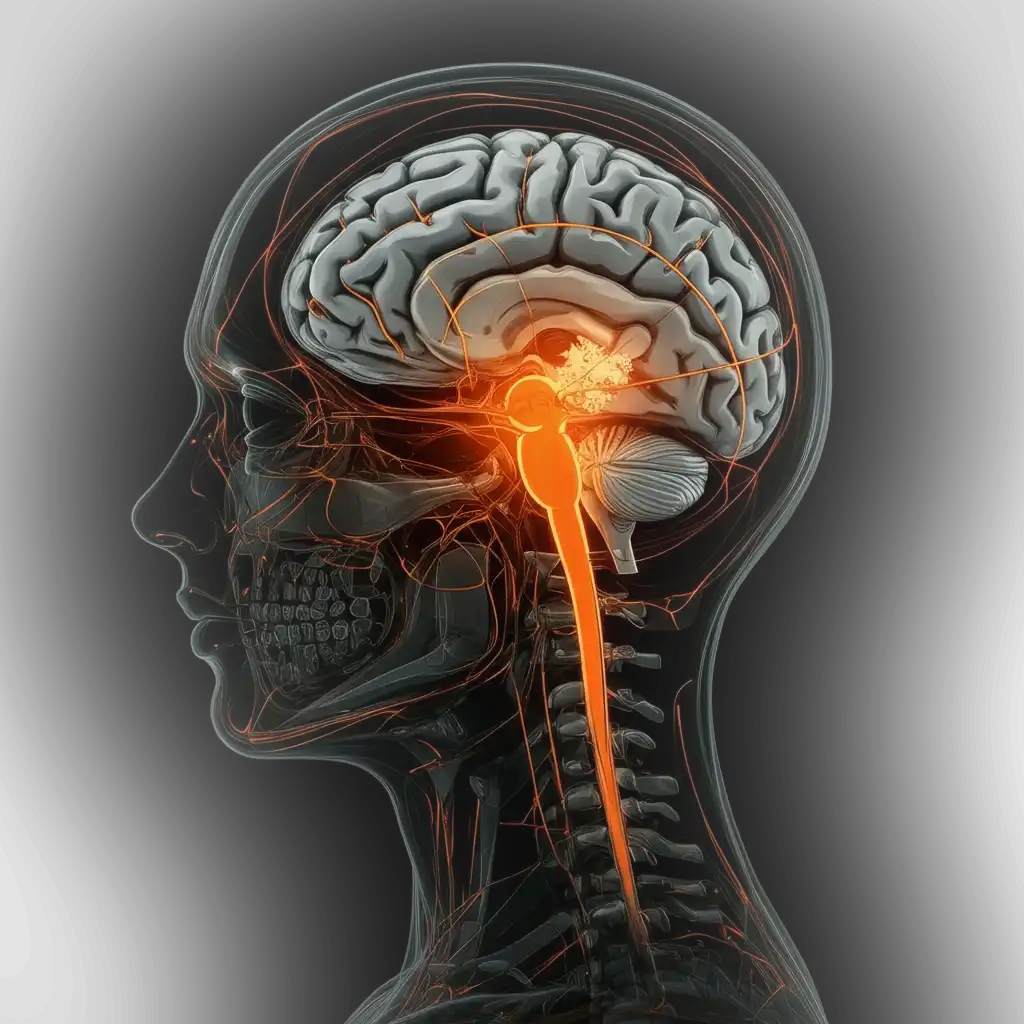
- The biochemistry of your life experience
How the Brain Shapes Behavior
Our actions, thoughts, emotions and beliefs are guided by neural circuits that connect perception, emotion, and decision.
Having a basic understanding of these neural pathways is crucial. Since your brain chemistry affects all your life experience, understanding how it works delivers more control over the weights we decide to assign to feelings and thoughts; this way, we can truly control behavior to our best advantage.
Behavioral neuroscience explains how habits form, how stress influences choices, and how motivation drives change.

Neural Circuits Behind Habits
The habits you’re trying to break arise from brain loops linking cues, actions, and reward mechanisms.
Decision-making depends on balance between rational and emotional systems, shaping daily choices and long‑term goals.

Stress, Fear, and the Survival Brain
The amygdala and stress circuits trigger rapid, instinctive and automatic reactions.
When overactive, they create anxiety or chronic tension, limiting focus, performance, and the fundamental ability to step out of limiting comfort zones.

Reward, Motivation, and Change
Dopamine pathways fuel motivation and reinforce behavior systematically; this includes also the form of coping that you would like to eliminate.
Redirecting and re-training dopamine pathways supports lasting change and alignment with meaningful goals.
SCIENCE BASED MENTAL COACHING
Neuroscience in Coaching
Neuroscience is very important to me as a Coach, as it offers more than theory: it gives practical insight on how change becomes possible. Often my clients discover how the reason why they can’t break a cycle, isn’t their fault or matter of lack of strength.
How can you win a battle, if you don’t know the battlefield?
These core principles guide my coaching approach, translating biology into self-awareness, and fueling practical techniques for growth, regulation, and transformation.
Neuroplasticity
The brain sediments preferred neural patterns through repetition. Coaching uses this adaptability to build new habits and override limiting patterns.
Stress and Resilience
Mindfulness, breathwork, and somatic tools calm stress circuits; which isn’t about “relaxing”, but about restoring immediate access to clarity, focus, and emotional regulation.
Embodied Cognition
Mental states are shaped by physical signals, and physical signals can induce mental states. Posture, breathing, and internal awareness influence emotion, behavior, and decision-making.
TECHINQUES
Mental Training tools we use in THC® Programs
I research and integrate neuroscience-backed methods into most programs. Each tool is chosen for its ability to activate, calm, or redirect key brain circuits, facilitating and often unlocking lasting change, not just insight.
Mindfulness (MBSR)
Strengthens prefrontal cortex to improve focus and reduce emotional reactivity.
Neuroplasticity Training
Uses repetition and attention to rewire patterns and embed new behaviors.
Reward Circuit Remodeling
Reclaims dopamine to reinforce purpose-driven, meaningful actions.
Neuro-Linguistic Programming
Works on the language-behavior link, activating sensory-cognitive pathways to shift internal narratives and automatic responses to the optimal tuning.
Neurophysiological Coherence
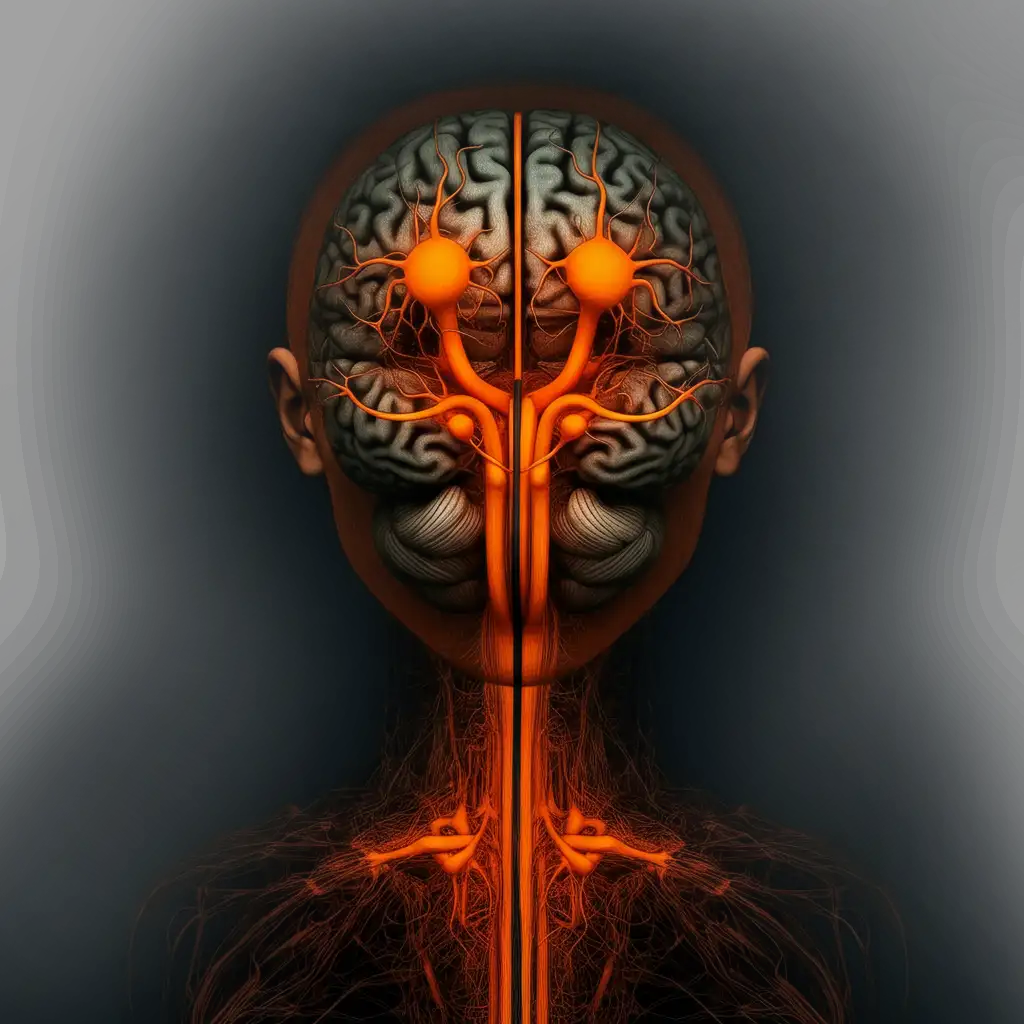
Targets the vagus nerve and interoceptive networks, aligning cognitive and physiological states for emotional regulation and embodiment.
Anti-Fragility Training
Trains adaptive resilience circuits with controlled stress exposure, turning challenges into catalysts for neural strengthening.
DMN Regulation
Interrupts overactivation of the Default Mode Network (linked to rumination and ego fixation) allowing presence, flow, and self-distancing.
Interpersonal Rehab
Strengthens circuits for trust, empathy, and emotional attunement, essential for connection, boundaries, and secure self-expression.
Cognitive Reframing
Engages prefrontal-limbic networks to shift perception of events and internal dialogue, reducing threat responses, creating more adaptive thinking.
- Choose how to influence your mindset
Why Neural Science Matters in Coaching
Integrating neuroscience into coaching adds depth, clarity, and precision. Clients don’t just feel better, they understand how change happens, and gain the tools to sustain it through measurable brain-based strategies.
I’ve decided to start my years of research in neuroscience, coming from my career as data scientist, precisely for this reason.
I’m firmly convinced that if the mind is a product of the brain, understanding the basics of how our brain works gives us a strong advantage in modulating our emotional and psychological response to feelings, reactions, and thoughts.
Get more Information
Book your 60 minutes session.
Please feel free to contact me and schedule a free introductory meeting. You’ll be able to ask me any questions and get practical advice.